
Vendor Managed Inventory (VMI) has become a transformative solution for fastener supply chains, enabling manufacturers to achieve superior inventory accuracy, reduce costs, and maintain continuous production flow.
Vendor Managed Inventory for Fastener Supply: Key Points
-
VMI Definition: Collaborative logistics solution where suppliers assume responsibility for monitoring, managing, and replenishing customer inventory based on real-time data
-
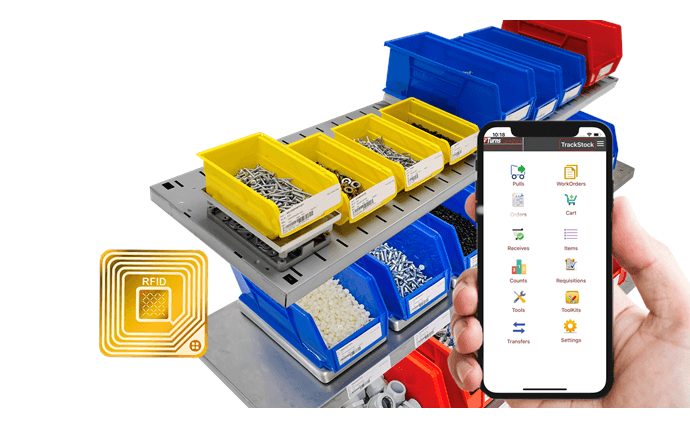
Core Technology: Uses electronic scales, RFID, barcode scanning, and advanced software to track inventory levels and automatically trigger just-in-time replenishment
-
Traditional Supply Chain Challenges: Stockouts, excess inventory, inefficient storage, manual reordering processes, and expedited shipping costs
-
Improved Inventory Accuracy: Real-time metrics across SKUs, part numbers, and site locations eliminate discrepancies between actual and recorded stock levels
-
Reduced Costs: Minimizes excess inventory, frees up cash and warehouse space, and dramatically reduces labor, overhead, and expedited shipping expenses
-
Prevents Stockouts and Overstocking: Continuous monitoring and automatic replenishment maintain optimal inventory balance
-
Enhanced Production Efficiency: Manufacturing lines never pause due to missing fasteners, eliminating unexpected downtime
-
Data Sharing Systems: Customers provide inventory data through RFID, electronic scales, and barcode scanning for supplier visibility
-
Automated Replenishment: Suppliers automatically replenish stock based on monitored data and historical consumption trends
-
Strategic Sourcing: Suppliers manage relationships with manufacturing partners, handling letters of credit, broker fees, and import duties
-
Just-In-Time Delivery: Fasteners arrive based on actual consumption schedules rather than forecasted demand
-
SKU Consolidation: Identifies opportunities for part standardization and consolidation to achieve significant cost savings
-
Consolidated Billing: Usage-based reporting provides transparent cost tracking and improved budget predictability
-
Establishing Partnership: Requires strong collaboration, open communication, and mutual commitment between supplier and customer
-
Technology Integration: Demands robust data sharing systems, RFID infrastructure, barcode scanning, and inventory management software
-
Key Performance Indicators: Clear metrics ensure accountability, including inventory accuracy rates, stockout frequency, and cost savings achieved
-
Dependence on Technology: VMI success relies on reliable systems for data sharing and real-time inventory tracking
-
Initial Setup Costs: Implementation may involve upfront technology integration and system configuration expenses
-
Supplier-Customer Trust: Ongoing collaboration and clear communication protocols are essential for managing partnerships effectively
-
Real-World Results: Reduced production delays, minimized administrative burden, improved uptime, and increased customer satisfaction
-
Enhanced Supply Chain Visibility: Real-time data enables accurate demand forecasting and proactive planning to reduce inventory variance
-
Supplier Evaluation: Assess capabilities including RFID technology, inventory management software, and data analytics platforms
-
Industry Experience: Select suppliers with proven expertise in fastener supply chain management and VMI implementation
-
ISO Certification: Ensures quality management systems and consistent performance standards
-
Strategic Partnership Approach: View supplier relationships as long-term strategic partnerships focused on mutual growth and continuous improvement
-
Future Trends: Advanced analytics, predictive inventory management, and sustainability initiatives are reshaping fastener supply chain optimization
By shifting inventory responsibility from customers to suppliers, VMI creates a collaborative logistics model that eliminates traditional supply chain inefficiencies while maximizing operational efficiency and profitability.
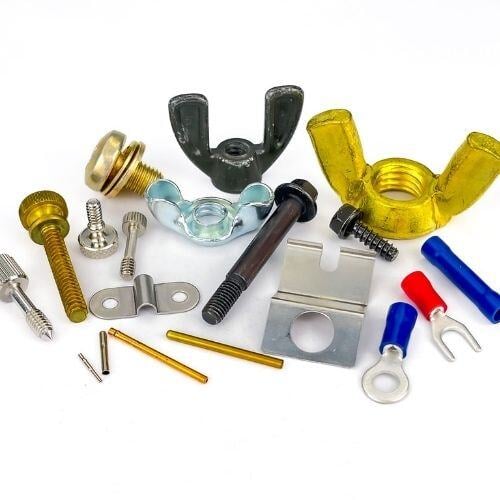
What is Vendor Managed Inventory for Fasteners?
Vendor Managed Inventory is a collaborative logistics solution where the fastener supplier assumes responsibility for monitoring, managing, and replenishing client inventory based on real-time data and historical consumption trends. Rather than relying on periodic manual orders, VMI employs advanced technologies such as electronic scales, RFID, and barcode scanning to track inventory levels across multiple locations and automatically trigger just-in-time replenishment.
This approach fundamentally shifts the procurement paradigm. Instead of customers managing their own stock levels and placing orders reactively, suppliers like Blue Chip Engineered Products proactively monitor consumption patterns and deliver fasteners precisely when needed, ensuring optimal inventory levels at all times.
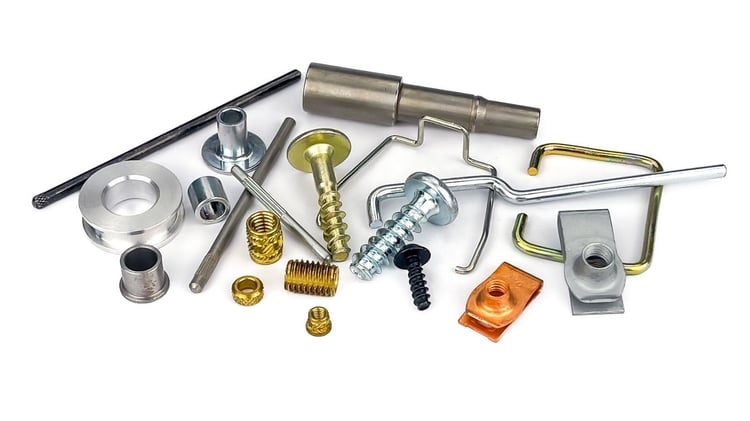
The Challenge: Fastener Supply Chain Inefficiencies
Traditional fastener supply chain management creates significant operational challenges that impact both costs and production schedules. Manufacturers frequently encounter stockouts that halt production, excess inventory that ties up capital and warehouse space, and inefficient storage that increases overhead expenses.
Manual reordering processes consume valuable administrative time and procurement resources, while expedited shipping to address unexpected shortages dramatically increases costs.
These "soft costs"—including sourcing, purchasing, expediting, receiving, stocking, and paying for inventory—often exceed the actual value of the goods themselves. This financial inefficiency erodes profit margins, particularly in high-volume, fast-paced manufacturing environments where production delays can be costly and disruptive.
Core Benefits of VMI for Fastener Distribution
Implementing VMI in fastener supply chains delivers comprehensive advantages that transform operational performance and financial outcomes.
Improved Inventory Accuracy and Real-Time Visibility
VMI uses advanced technologies such as RFID and electronic scales to ensure precise inventory tracking, eliminating discrepancies between actual and recorded stock levels. Data-driven software provides real-time metrics across SKUs, part numbers, and site locations, enabling managers to monitor inventory levels, usage rates, and projected needs with complete confidence.
Reduced Inventory Costs and Carrying Expenses
VMI minimizes excess inventory by ensuring that only essential parts—determined by actual usage data—are stocked. This approach frees up cash and warehouse space while dramatically reducing labor, overhead, and expedited shipping costs. Customers report improved cost predictability through consolidated billing and usage-based reporting.
Elimination of Stockouts and Overstocking
By continuously monitoring consumption patterns and automatically replenishing inventory, VMI prevents both shortages and overstock situations. This balance ensures smooth production operations without the disruption of unexpected fastener shortages.
Enhanced Production Efficiency and Reduced Downtime
Supply chain optimization through VMI ensures that manufacturing lines never pause due to missing fasteners. With components available exactly when and where needed, production runs smoothly, downtime is eliminated, and operational continuity is guaranteed.
How VMI Works in the Fastener Industry
VMI operates through a systematic approach that combines technology, collaboration, and proactive management.
Data Sharing Through RFID and Electronic Systems
Customers provide suppliers with detailed inventory data through electronic systems such as RFID, electronic scales, and barcode scanning. This transparent data exchange enables suppliers to gain complete visibility into consumption patterns and inventory levels across all customer locations.
Automated Replenishment and Continuous Monitoring
Based on monitored data and historical trends, suppliers automatically replenish stock as needed, ensuring optimal inventory levels are maintained at all times. This automated process reduces manual intervention while improving the accuracy and timeliness of replenishment.
Strategic Sourcing and Supplier-Managed Relationships
VMI suppliers like Blue Chip Engineered Products manage relationships with reliable manufacturing partners, handling letters of credit, broker fees, and import duties on behalf of customers. This comprehensive sourcing approach simplifies the procurement process while ensuring product quality and compliance.
Just-In-Time Delivery and Consumption-Based Ordering
VMI enables true just-in-time delivery, where fasteners arrive based on actual consumption schedules rather than forecasted demand. This approach minimizes inventory investment while guaranteeing that production never faces delays due to parts shortages.
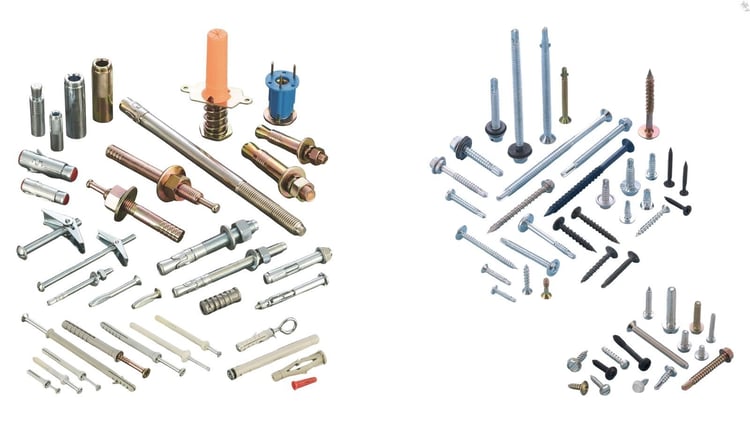
Cost Reduction Strategies with VMI
VMI delivers measurable cost savings across multiple dimensions of fastener supply chain management.
Reducing Labor, Overhead, and Expedited Shipping Costs
By automating inventory management and eliminating the need for manual reordering and tracking, VMI dramatically reduces administrative labor costs. The elimination of emergency orders and expedited shipping further decreases transportation expenses.
SKU Consolidation and Standardization
Suppliers analyze consumption patterns to identify opportunities for part standardization and SKU consolidation, enabling customers to achieve significant cost savings through simplified procurement and manufacturing.
Improved Cost Predictability and Consolidated Billing
VMI enables consolidated billing based on actual consumption, providing transparent cost reporting and improved budget predictability. Usage-based reporting allows customers to accurately forecast expenses and optimize procurement strategies.
Implementation: Key Steps to Success
Successfully implementing VMI requires systematic planning and a collaborative partnership between the supplier and the customer.
Establishing Collaborative Relationships and Trust
Effective VMI relies on strong partnerships built on open communication and mutual commitment. Blue Chip Engineered Products emphasizes early involvement with client purchasing, engineering, and quality teams to develop tailored solutions that address specific supply chain challenges.
Technology Integration and Data Management Systems
Successful VMI implementation requires robust data sharing and communication technology systems, including RFID infrastructure, barcode scanning, and inventory management software. These systems must be carefully selected and configured to align with customer operations.
Defining Key Performance Indicators (KPIs)
Establishing clear metrics ensures accountability and enables continuous improvement. KPIs may include inventory accuracy rates, stockout frequency, cost savings achieved, and production uptime improvements.
Inventory Monitoring, Stock Reviews, and Restocking Procedures
Regular reviews of inventory data, consumption patterns, and supply chain performance ensure VMI remains optimized for current business needs. Adjustment of ordering algorithms based on these reviews maintains supply chain efficiency.
Challenges and Considerations in VMI Adoption
While VMI offers substantial benefits, successful implementation requires addressing several key considerations.
Dependence on Technology Infrastructure
VMI success depends on reliable technology systems for data sharing and inventory tracking. Suppliers must maintain robust infrastructure to ensure accurate, real-time data availability.
Initial Setup Costs and Process Adjustments
Implementing VMI may involve upfront costs for technology integration, system configuration, and process adjustments. These investments are typically recovered through long-term cost savings and operational improvements.
Managing the Supplier-Customer Partnership
Effective VMI requires ongoing collaboration, clear communication protocols, and mutual commitment from both partners. Building and maintaining trust is essential for addressing challenges and optimizing the relationship over time.
Real-World Results: Case Studies in Fastener VMI
Blue Chip Engineered Products' VMI solutions have delivered measurable improvements across automotive, electronics, medical device manufacturing, and specialized industries.
Manufacturers experience drastically reduced production delays caused by missing or incorrect fasteners. Administrative burden on procurement teams is minimized, freeing staff to focus on strategic projects rather than routine inventory management. Customer satisfaction rises as uptime and order fulfillment rates improve, supporting business growth and competitive advantage.
VMI and Supply Chain Visibility: Mitigating Supply Chain Disruptions
Real-time data from VMI systems enables accurate demand forecasting and proactive planning, reducing inventory variance and protecting against supply chain disruptions. Enhanced analytics provide the visibility necessary to detect unusual demand changes and take corrective action accordingly—a critical advantage in today's rapidly changing market environment.
Selecting the Right VMI Partner for Your Fastener Needs
Choosing an effective VMI provider requires evaluating several critical factors.
Evaluating Supplier Capabilities and Technology
Assess the supplier's technology infrastructure, including RFID capabilities, inventory management software, and data analytics platforms. Verify that systems can scale to meet your current and future needs.
Assessing Experience in Fastener Industry Solutions
Select suppliers with proven expertise in fastener supply chain management and VMI implementation. ISO 9001 certification ensures quality management systems and consistent performance standards.
Building Long-Term Strategic Partnerships
VMI success depends on viewing the supplier relationship as a strategic partnership focused on mutual growth and continuous improvement. Look for suppliers committed to early involvement in your design and planning processes.
Future Trends in Vendor Managed Inventory and Fastener Supply
VMI continues to evolve as advanced analytics, predictive inventory management, and sustainability initiatives reshape fastener supply chain optimization. Suppliers increasingly focus on data-driven insights that anticipate demand patterns, while also implementing eco-friendly practices that reduce waste and environmental impact.

By partnering with an ISO-certified VMI provider like Blue Chip Engineered Products, manufacturers gain access to innovative inventory management strategies designed to optimize operations, reduce costs, and maintain competitive advantage in today's demanding market environment.


